
Metallic Blogs
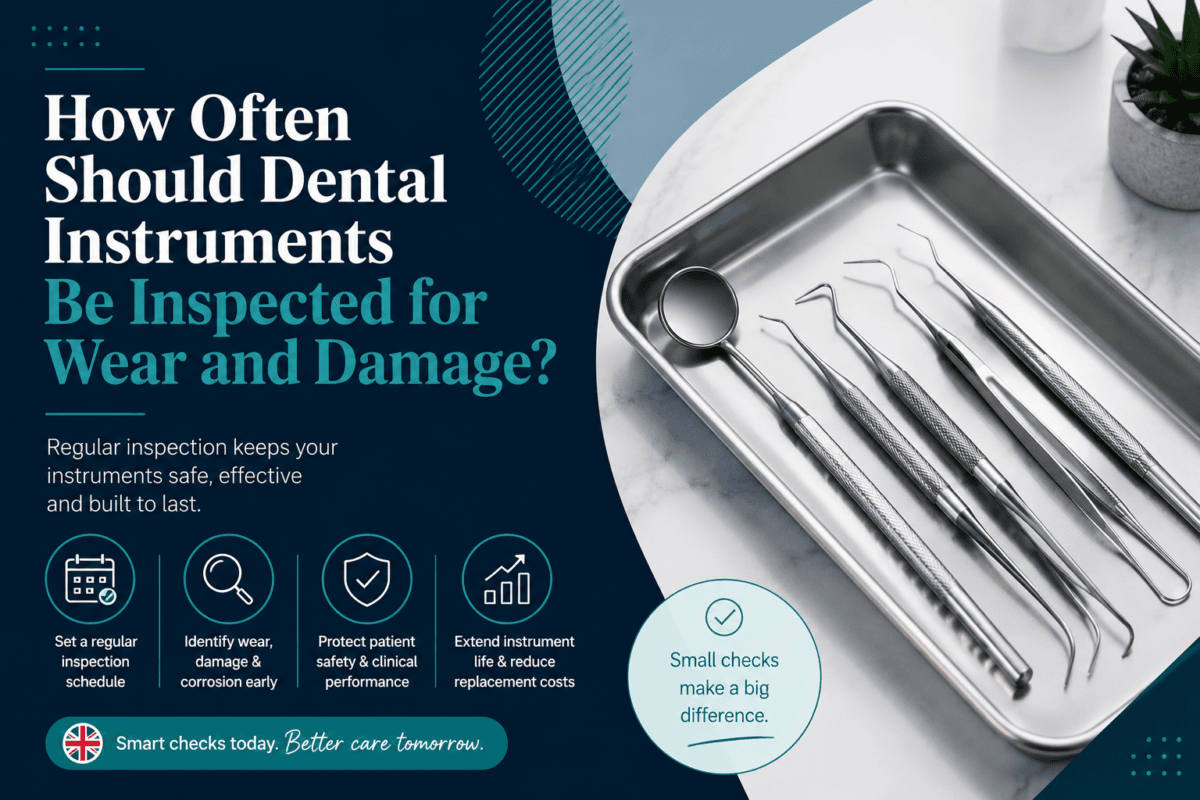
How Often Should Dental Instruments Be Inspected for Wear and Damage?
How Often Should Dental Instruments Be Inspected for Wear and Damage?
Introduction
Understanding how often should dental instruments be inspected for wear and damage is essential for maintaining patient safety, treatment quality, and operational efficiency. Dental instruments experience constant use, repeated sterilisation cycles, and regular handling, all of which contribute to gradual wear over time.
In 2026, dental practices are placing greater emphasis on preventative maintenance because early detection of instrument damage helps reduce replacement costs and avoid disruptions during procedures.
Why Regular Instrument Inspection Matters
Routine inspections help clinics:
- Maintain clinical precision
- Improve patient safety
- Prevent unexpected instrument failures
- Extend instrument lifespan
- Reduce long-term procurement costs
As a result, regular inspections have become an important part of modern instrument management.
How Often Should Instruments Be Inspected?
The frequency of inspection depends on the type of instrument and how often it is used.
As a general guideline:
Daily Visual Checks
Instruments should be visually inspected before and after use.
Staff should look for:
- Surface damage
- Corrosion
- Cracks
- Loose components
- Visible contamination
Therefore, small problems can be identified before they affect procedures.
Weekly Functional Inspections
Once a week, clinics should perform more detailed checks.
This includes:
- Testing hinge movement
- Checking tip alignment
- Assessing cutting performance
- Examining grip surfaces
As a result, clinics can detect developing wear before it becomes serious.
Monthly Comprehensive Reviews
A full inspection should be conducted monthly.
During these reviews, staff should assess:
- Overall instrument condition
- Signs of excessive wear
- Sterilisation-related damage
- Instrument performance consistency
- Inventory replacement requirements
Consequently, clinics can plan maintenance and replacements more effectively.
1. Signs of Corrosion
Corrosion is one of the earliest indicators of instrument deterioration.
Look for:
- Rust spots
- Surface staining
- Pitting
- Discolouration
Because corrosion can affect both performance and hygiene, affected instruments should be evaluated immediately.
2. Tip Alignment Problems
Many dental instruments depend on precise alignment.
Common issues include:
- Misaligned forceps
- Uneven tweezers
- Damaged working ends
As a result, treatment accuracy may be compromised if these problems go unnoticed.
3. Dull Cutting Edges
Cutting instruments naturally lose sharpness over time.
Clinics should monitor:
- Scissors
- Bone cutters
- Surgical instruments
- Periodontal instruments
Therefore, sharpening or replacement may be necessary when performance declines.
4. Loose Joints and Hinges
Hinged instruments experience continuous movement during use.
Inspect for:
- Excessive looseness
- Restricted movement
- Uneven tension
- Mechanical instability
Consequently, routine checks help prevent sudden instrument failure.
5. Surface Damage and Cracks
Even small cracks can become serious problems.
Inspect instruments for:
- Surface fractures
- Chipped areas
- Deep scratches
- Structural weaknesses
As a result, damaged instruments can be removed before they pose a risk during treatment.
6. Sterilisation-Related Wear
Repeated autoclave cycles place stress on dental instruments.
Watch for:
- Surface deterioration
- Loss of finish
- Corrosion after sterilisation
- Material fatigue
Therefore, monitoring sterilisation effects is an important part of instrument management.
7. Why Staff Training Is Essential
Even the best inspection programme depends on knowledgeable staff.
Dental nurses and assistants should understand:
- Common wear indicators
- Inspection procedures
- Reporting protocols
- Instrument handling best practices
Because of this, regular training improves consistency and reduces oversights.
8. Creating an Instrument Inspection Schedule
A structured inspection schedule helps maintain accountability.
Many clinics use:
- Daily visual checklists
- Weekly inspection logs
- Monthly maintenance reviews
- Replacement tracking records
As a result, practices can maintain better control over instrument condition.
9. Benefits of Early Problem Detection
Finding problems early helps clinics:
- Avoid procedure interruptions
- Reduce emergency replacements
- Improve treatment consistency
- Extend instrument lifespan
- Control procurement costs
Therefore, preventative inspections provide both clinical and financial benefits.
10. Why High-Quality Instruments Require Fewer Replacements
Professional-grade instruments are designed to withstand:
- Repeated sterilisation cycles
- Daily clinical use
- Long-term operational demands
Consequently, high-quality stainless steel instruments often maintain performance for longer periods when properly maintained.
Role of Metallic Products
Metallic Products supports dental professionals with:
- Precision-engineered stainless steel instruments
- Durable clinical-grade manufacturing
- Sterilisation-compatible designs
- Reliable long-term performance
This helps clinics improve instrument longevity and reduce avoidable replacement costs.
Conclusion
Understanding how often should dental instruments be inspected for wear and damage helps clinics maintain safety, efficiency, and treatment quality. By combining daily checks, weekly inspections, and monthly reviews, practices can identify problems early and maximise instrument lifespan.
With proper maintenance and high-quality instruments from Metallic Products, dental clinics can improve reliability, reduce costs, and maintain consistent clinical performance.