
Uncategorized
How AI is Influencing Modern Surgical Techniques
How AI is Influencing Modern Surgical Techniques
AI in modern surgical techniques is revolutionizing how surgeons plan procedures, make decisions, and achieve patient outcomes, with artificial intelligence transforming operating rooms across the UK and worldwide. From pre-operative planning to real-time guidance during procedures, AI in modern surgical techniques represents one of the most significant advances in medical practice, enhancing precision and safety for patients undergoing complex operations.
AI-Powered Surgical Planning and Imaging
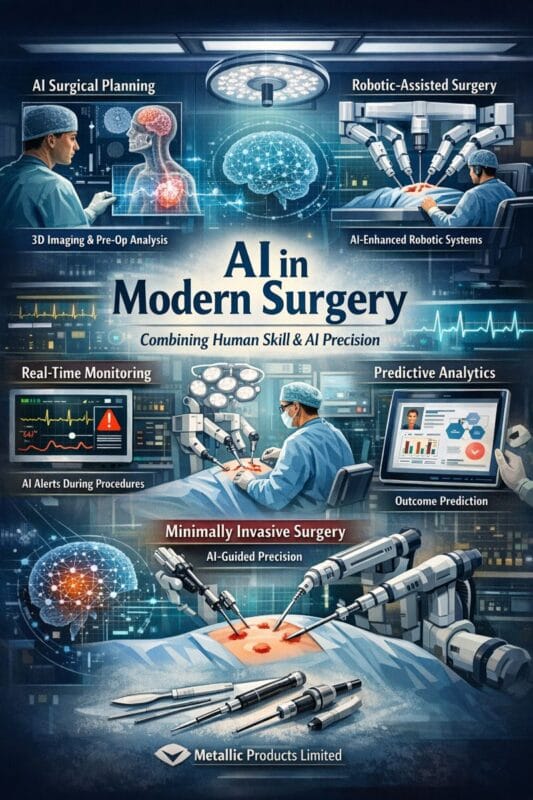
Artificial intelligence analyzes medical imaging with unprecedented accuracy, helping surgeons identify anatomical structures and plan optimal approaches. Machine learning algorithms process CT scans, MRIs, and ultrasounds to create detailed 3D models of patient anatomy. These models allow surgeons to rehearse complex procedures virtually, identifying potential complications before making the first incision. AI systems can detect subtle abnormalities that human eyes might miss, improving diagnostic accuracy and surgical outcomes.
Modern Surgical Techniques Enhanced by AI: Robotic Surgery
Robotic surgical systems like the da Vinci platform incorporate AI to enhance surgeon capabilities. These systems translate surgeon hand movements into precise micro-movements of surgical instruments, filtering out tremors and enabling operations at scales impossible with human hands alone. AI algorithms optimize instrument positioning and movement paths, reducing tissue trauma while improving access to difficult anatomical areas. Surgeons maintain complete control while benefiting from AI-enhanced precision and stability.
Real-Time Decision Support During Operations
AI systems monitor vital signs, surgical progress, and tissue characteristics throughout procedures, alerting surgeons to potential complications before they become critical. Machine learning models trained on thousands of procedures recognize patterns indicating bleeding risks, organ stress, or anatomical variations requiring adjusted technique. This real-time guidance functions as an experienced consultant, providing data-driven insights that support optimal decision-making under pressure.
Predictive Analytics for Surgical Outcomes
Artificial intelligence analyzes patient data including medical history, genetics, lifestyle factors, and imaging to predict surgical outcomes with remarkable accuracy. These predictions help surgeons and patients make informed decisions about treatment approaches, understanding realistic expectations for recovery time, complication risks, and long-term results. AI models continuously learn from new cases, improving their predictive capabilities and personalizing recommendations for individual patients.
AI in Minimally Invasive Surgery
Modern surgical techniques increasingly favor minimally invasive approaches, and AI enhances these procedures significantly. Computer vision systems help surgeons navigate complex anatomy through small incisions by enhancing visualization and identifying critical structures. AI-powered tracking maintains awareness of instrument positions relative to vital organs and blood vessels, reducing accidental injury risks. These capabilities make complex laparoscopic and endoscopic procedures safer and more accessible.
Instrument Innovation Driven by AI
Artificial intelligence influences surgical instrument design by analyzing usage patterns and surgeon techniques. Smart instruments equipped with sensors provide feedback on tissue characteristics, helping surgeons distinguish healthy from diseased tissue during tumor removal. AI algorithms optimize instrument ergonomics based on biomechanical data, reducing surgeon fatigue during lengthy procedures. Metallic Products Limited supplies advanced surgical instruments designed to integrate with modern AI-enhanced surgical systems, ensuring compatibility with cutting-edge operating room technology.
Training and Skill Development
AI-powered simulators provide realistic surgical training environments where medical students and residents practice procedures without patient risk. These systems analyze trainee performance, identifying areas needing improvement and personalizing training programs. Haptic feedback replicates the sensation of working with actual tissue, while AI assessment provides objective skill evaluations. This technology accelerates surgical education and helps experienced surgeons learn new techniques efficiently.
Workflow Optimization in Operating Rooms
Beyond the surgery itself, AI optimizes entire operating room workflows. Scheduling algorithms predict procedure durations accurately, reducing delays and maximizing facility utilization. Inventory management systems ensure required instruments and supplies are available when needed. AI analyzes workflow patterns to identify inefficiencies, suggesting improvements that reduce costs while enhancing patient care quality.
Challenges and Considerations
Implementing AI in surgical settings requires significant investment in technology, infrastructure, and training. Surgeons must learn to work effectively with AI systems, trusting their recommendations while maintaining clinical judgment. Data privacy and security concerns demand robust protections for sensitive patient information. Regulatory frameworks continue evolving to address AI medical applications, creating uncertainty around approval processes for new technologies.
The Future of AI and Surgery
Emerging technologies promise even more dramatic changes. Autonomous surgical robots may perform routine portions of procedures under surgeon supervision. AI systems might predict surgical complications days before they occur, enabling preventive interventions. Integration with augmented reality could overlay critical information directly onto surgeon vision during operations. Personalized surgical approaches tailored to individual patient genetics and physiology will become standard practice.
Combining Human Expertise with AI Capabilities
The most effective approach combines surgeon experience and judgment with AI analytical power and consistency. Artificial intelligence handles data processing, pattern recognition, and precision tasks where computers excel. Surgeons provide creativity, adaptability, and the human judgment essential for managing unexpected situations. This partnership leverages strengths of both human and artificial intelligence for optimal patient outcomes.
Impact on Surgical Instrument Quality Standards
As AI in modern surgical techniques advances, instrument manufacturers face higher quality demands. Precision tolerances tighten as robotic systems require instruments meeting exact specifications. Smart instruments need reliable sensors and electronics capable of withstanding sterilization. Metallic Products Limited understands these evolving requirements, supplying surgical instruments that meet rigorous quality standards necessary for integration with advanced surgical technologies.
The integration of AI in modern surgical techniques represents a paradigm shift in medical practice. While technology continues advancing rapidly, the fundamental goal remains unchanged: providing patients with the safest, most effective surgical care possible. Artificial intelligence serves this goal by enhancing surgeon capabilities, improving outcomes, and making complex procedures more accessible to patients who need them.
About Metallic Products Limited: We supply premium surgical instruments, dental tools, and beauty equipment to healthcare professionals throughout the UK. Our high-quality instruments are designed to meet the exacting standards required for modern surgical techniques, including compatibility with AI-enhanced robotic surgical systems.