Dental Instruments
How Mirror Quality Affects Visibility During Dental Procedures
How Mirror Quality Affects Visibility During Dental Procedures
Introduction
Understanding how mirror quality affects visibility during dental procedures is essential for every dental professional. A high-quality dental mirror does much more than reflect an image, it improves visibility, supports accurate diagnosis, enhances treatment precision, and helps clinicians work more comfortably. Whether performing routine examinations, restorative dentistry, endodontic treatment, or oral surgery, the quality of the dental mirror can significantly influence clinical performance and patient outcomes.
Why Visibility Is Essential in Dentistry
Many areas of the oral cavity are difficult to see directly. Therefore, dentists rely on dental mirrors to examine posterior teeth, detect early signs of disease, and perform treatments with greater accuracy.
Good visibility helps clinicians:
- Improve diagnostic accuracy
- Perform more precise procedures
- Reduce treatment errors
- Increase clinical efficiency
- Enhance patient care
As a result, choosing the right dental mirror is an important decision for every practice.
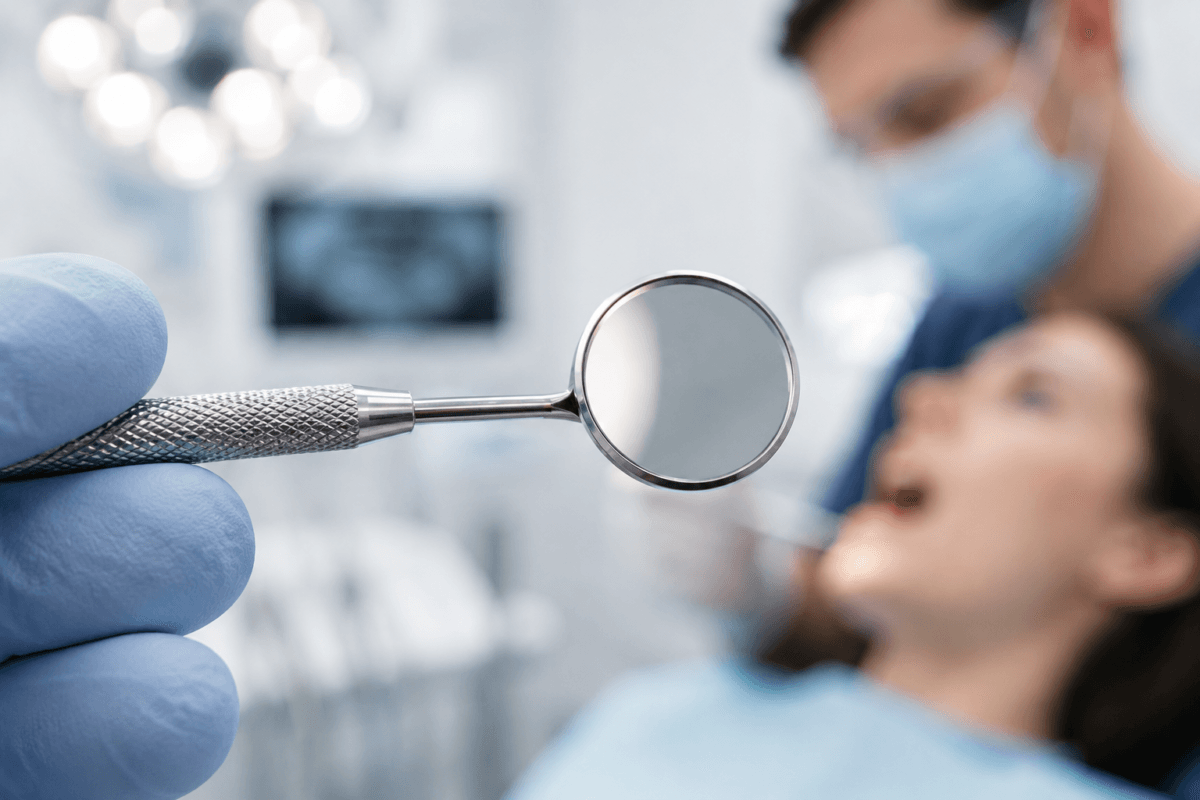
How Mirror Quality Influences Clinical Performance
Not all dental mirrors provide the same level of performance.
High-quality mirrors offer:
- Clear reflections
- Minimal image distortion
- Excellent illumination
- Reliable durability
- Comfortable handling
In contrast, poor-quality mirrors can reduce visibility and make clinical procedures more challenging.
1. Clear Reflection Improves Diagnostic Accuracy
A clear reflection allows clinicians to identify small details more easily.
For example, dentists can better detect:
- Early carious lesions
- Calculus deposits
- Fractured restorations
- Marginal defects
- Soft tissue abnormalities
Consequently, better visibility supports more accurate diagnoses.
2. Reduced Image Distortion Supports Precision
Distorted reflections can affect depth perception and clinical judgement.
High-quality mirrors minimise distortion, allowing clinicians to work with greater confidence during delicate procedures.
Furthermore, accurate reflections improve precision in restorative and periodontal treatments.
3. Better Light Reflection Enhances Visibility
Dental mirrors also help reflect operating light into areas that are otherwise difficult to view.
High-quality reflective surfaces improve illumination by:
- Brightening posterior regions
- Improving access to confined spaces
- Supporting indirect vision
Therefore, clinicians can maintain better visibility throughout the procedure.
4. Scratch Resistance Maintains Long-Term Performance
Frequent cleaning and sterilisation expose mirrors to repeated wear.
Premium mirrors resist scratches more effectively, helping maintain image quality over time.
As a result, clinicians continue to benefit from clear visibility even after repeated use.
5. Anti-Corrosion Materials Improve Reliability
Dental mirrors undergo repeated cleaning and autoclave cycles.
High-quality stainless steel frames and premium mirror surfaces help resist corrosion and maintain consistent performance.
This contributes to a longer service life and dependable clinical results.
6. Ergonomic Design Improves Clinical Comfort
Mirror quality is not limited to the reflective surface.
A well-designed handle can:
- Improve grip
- Increase instrument control
- Reduce hand fatigue
- Enhance manoeuvrability
Consequently, ergonomic mirrors support both clinician comfort and treatment efficiency.
Front Surface Mirrors vs Standard Mirrors
Front surface mirrors eliminate the secondary reflection found in standard mirrors.
As a result, they provide:
- Sharper images
- Greater accuracy
- Improved colour representation
- Better clinical visibility
For this reason, many dental professionals prefer front surface mirrors for everyday practice.
Common Problems Caused by Low-Quality Dental Mirrors
Using low-quality mirrors may result in:
- Blurred reflections
- Image distortion
- Reduced brightness
- Surface scratches
- Shorter instrument lifespan
These issues can affect both clinical efficiency and treatment quality.
How to Choose a High-Quality Dental Mirror
When selecting a dental mirror, consider the following features:
Premium Reflective Surface
Choose mirrors that provide bright, distortion-free reflections.
Durable Construction
High-quality stainless steel frames improve durability and corrosion resistance.
Sterilisation Compatibility
The mirror should withstand repeated autoclave cycles without compromising performance.
Comfortable Handle Design
An ergonomic handle improves control during lengthy procedures.
Reliable Manufacturing Quality
Precision manufacturing ensures consistent performance and long-term reliability.
Why Dental Practices Should Invest in Quality Mirrors
Although premium mirrors may have a higher initial cost, they often provide greater long-term value.
Benefits include:
- Improved visibility
- Better clinical precision
- Longer service life
- Reduced replacement frequency
- Enhanced patient care
Therefore, investing in quality mirrors supports both clinical performance and operational efficiency.
Role of Metallic Products
Metallic Products manufactures precision-engineered dental mirrors designed to meet the needs of modern dental professionals.
Our dental mirrors feature:
- High-quality reflective surfaces
- Premium stainless steel construction
- Precision manufacturing
- Ergonomic designs
- Excellent durability
These features help clinicians achieve clear visibility and reliable performance during everyday dental procedures.
Conclusion
Understanding how mirror quality affects visibility during dental procedures helps dental professionals appreciate the importance of investing in high-quality instruments. Clear reflections, improved illumination, ergonomic handling, and durable construction all contribute to better clinical performance and patient care.
By selecting premium dental mirrors and maintaining them properly, practices can improve diagnostic accuracy, increase treatment efficiency, and provide consistently high standards of care.