
Uncategorized
Choosing the Right Dental Materials for Restorations
Choosing the Right Dental Materials for Restorations
Dental materials for restorations play a critical role in the success of modern dentistry. Whether repairing cavities, replacing damaged teeth, or improving aesthetics, the right material ensures strength, comfort, and long-term performance. Dentists carefully evaluate each option to match clinical needs with patient expectations.
Why Dental Material Selection Matters
Restorative materials directly affect how long a dental restoration lasts and how natural it looks. A poorly chosen material can wear quickly, fracture, or cause discomfort. Therefore, dentists consider durability, appearance, and biocompatibility before making a decision. When the material suits the tooth’s function, restorations perform better and last longer.
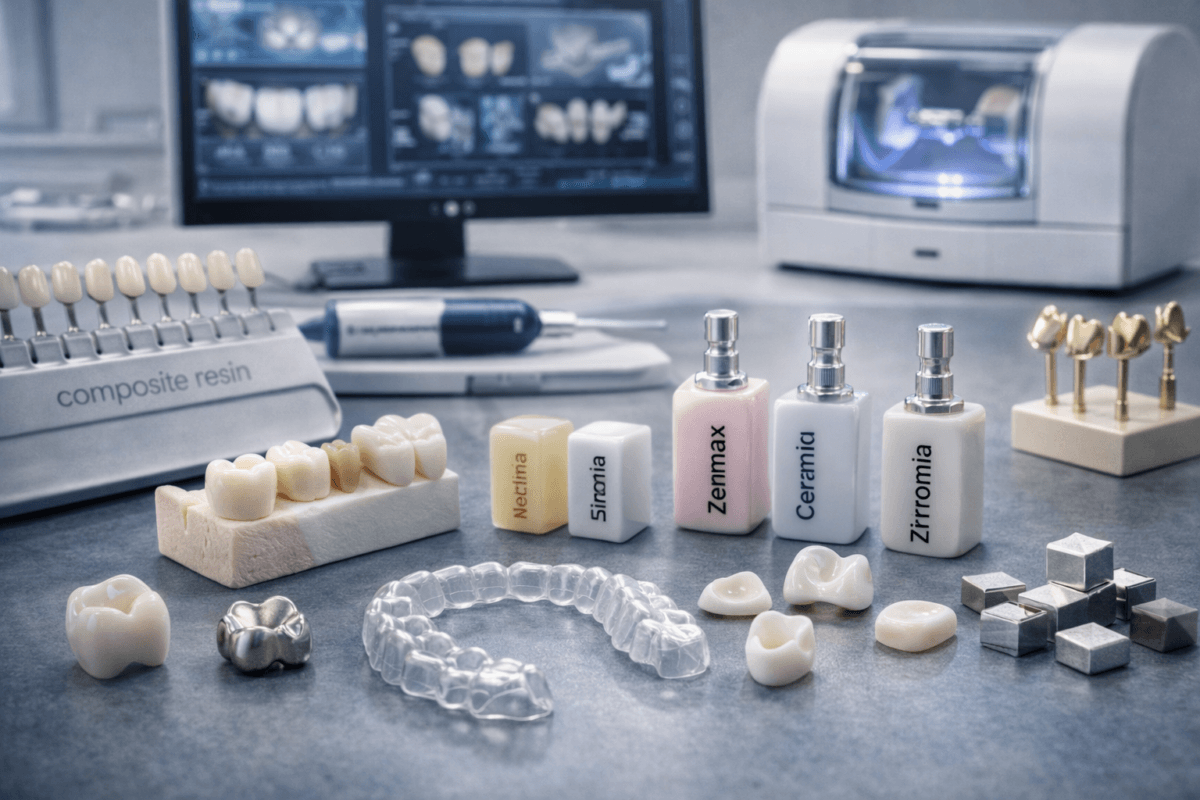
Common Types of Dental Restorative Materials
Different restorative materials serve different purposes. Each option offers unique benefits.
Composite Resins
Composite resins provide a natural appearance and bond directly to the tooth. Dentists often use them for small to medium restorations. Additionally, composites allow conservative tooth preparation, which helps preserve healthy structure.
Dental Amalgam
Although used less frequently today, amalgam remains strong and cost-effective. Dentists still recommend it for areas requiring high strength, such as back teeth. However, aesthetic concerns have reduced its popularity.
Ceramics and Porcelain
Ceramic materials offer excellent aesthetics and stain resistance. As a result, dentists frequently choose them for crowns, veneers, and visible restorations. Modern ceramics also provide impressive strength while maintaining a natural tooth-like appearance.
Metal and Metal Alloys
Metal-based restorations deliver outstanding durability. Dentists often use them for crowns or bridges that experience heavy chewing forces. Moreover, alloys offer corrosion resistance and long-term stability.
Factors Dentists Consider When Choosing Materials
Dentists evaluate several factors before selecting restorative materials:
- Tooth location: Front teeth require aesthetics, while molars need strength
- Bite force: Stronger materials suit high-pressure areas
- Patient habits: Grinding or clenching affects material choice
- Longevity expectations: Some materials last longer than others
- Cost considerations: Budget can influence final decisions
By balancing these elements, dentists provide restorations that function well and look natural.
Advancements in Restorative Materials
Modern dentistry continues to evolve. New materials combine strength with improved aesthetics. Digital workflows and CAD/CAM technology also allow precise fabrication, resulting in better fit and reduced chair time. Consequently, patients experience faster treatments and more predictable outcomes.
Patient Education and Informed Choices
Patients benefit when dentists explain material options clearly. Visual aids, digital scans, and simple explanations help patients understand why a specific material suits their needs. This transparency builds trust and improves satisfaction with the final restoration.
Conclusion
Choosing the right dental materials for restorations ensures durability, comfort, and natural appearance. By considering tooth location, functional demands, and patient preferences, dentists deliver restorations that perform well over time. As materials continue to advance, restorative dentistry becomes more precise, reliable, and patient-focused.