
Beauty Instruments
Why You Shouldn’t Share Nail Tools – Safe Nail Care Tips
Nov
Why You Shouldn’t Share Nail Tools – Safe Nail Care Tips
Definition
Sharing nail tools means using nail scissors, clippers, files, or cuticle pushers that have already been used by another person without proper sterilisation between uses. This practice creates a direct route for bacteria, fungi, and viruses to transfer between individuals through minor skin breaks around the nail bed.
Introduction
Understanding why you shouldn’t share nail tools is essential for anyone maintaining a nail care routine, whether at home or in a professional salon setting. Using your own nail scissors, clippers, files, and cuticle pushers protects against infection and keeps your tools performing reliably over time. This guide covers the real risks of sharing, safe hygiene practices, and what to look for in personal nail care instruments.
Why Sharing Nail Tools Is Risky
When nail tools pass between people, germs transfer easily, and even minor cuts or hangnails become entry points for infection.
Sharing nail tools increases the risk of:
- Fungal nail infections – causing thick, discoloured, or brittle nails
- Bacterial infections – redness, swelling, or painful nail edges
- Viral infections – warts or other skin irritations
As a result, keeping tools personal is one of the simplest ways to protect long-term nail health.
Safe Practices to Avoid Sharing Nail Tools
1. Use Your Own Personal Tools
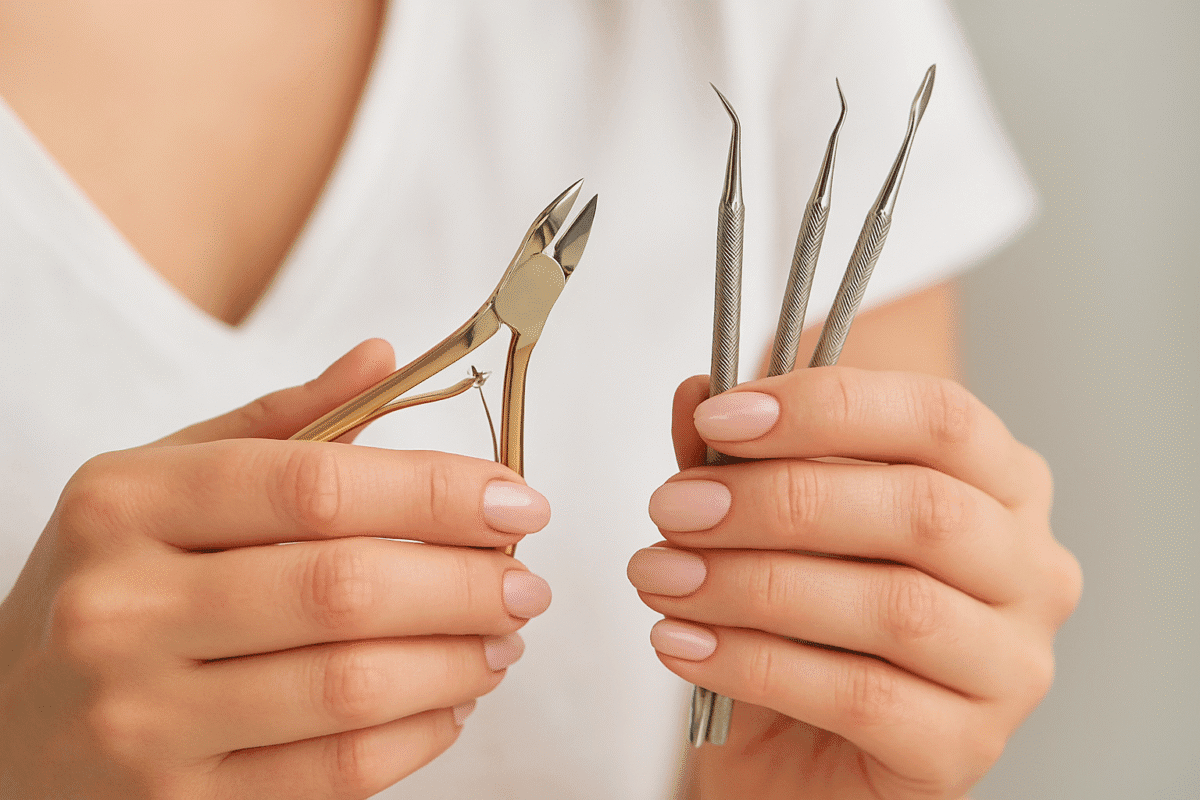
Every person should have their own set of nail scissors, nail clippers, files, and cuticle pushers. High-quality stainless steel tools are durable, easy to sanitise, and ideal for personal use.
2. Clean and Sanitise Regularly
Wash tools with soap and water before disinfecting with alcohol or another approved solution. Regular cleaning is central to a hygienic nail care routine.
3. Use Disposable Items When Possible
Items like wooden sticks, emery boards, cotton pads, and buffers are difficult to disinfect fully. Disposable versions reduce contamination risk considerably.
4. Wash Hands Before and After Nail Care
Clean hands prevent germs transferring to tools or nails. Gloves add an extra barrier, particularly in professional settings.
5. Store Tools Properly
Keep nail tools in a dry, closed case or sterilised container. Proper storage prevents contamination and extends tool lifespan.
6. Check for Signs of Infection
Inspect nails for redness, swelling, or unusual spots before starting nail care, and postpone treatment if infection is suspected.
Checklist: Safe Personal Nail Care
- Keep a personal set of nail scissors, clippers, and cuticle pushers
- Sanitise tools with alcohol or an approved solution after each use
- Replace disposable items like emery boards regularly
- Wash hands thoroughly before and after nail care
- Store tools in a dry, closed case between uses
Common Mistakes When Sharing Nail Tools
- Borrowing clippers or scissors from family members without sanitising first
- Reusing salon tools that haven’t been properly sterilised between clients
- Continuing to use tools despite visible rust or wear
- Skipping hand washing before nail care sessions
Frequently Asked Questions
Sharing nail tools can transfer bacteria, fungi, and viruses between people through minor cuts or hangnails, increasing the risk of nail and skin infections.
Replace nail tools when blades dull, hinges loosen, or rust appears, typically every 12 to 24 months with regular use, sooner with heavy or professional use.
Wash tools with soap and water, then disinfect with isopropyl alcohol or a similar approved solution, allowing them to air dry fully before storage.
Yes, fungal and bacterial nail infections can be persistent and, in some cases, require prolonged treatment, making prevention through personal tool use worthwhile.
It’s safer to avoid sharing even within a household, since infections can still transfer between family members without proper sterilisation.
Yes. Rust can harbour bacteria and makes clippers harder to clean effectively. Replace rusty tools rather than continuing to use them.
Role of Metallic Products
Metallic Products manufactures precision engineered nail and beauty instruments designed for safe, reliable personal and professional use.
Our nail care range includes:
- Straight and curved nail scissors
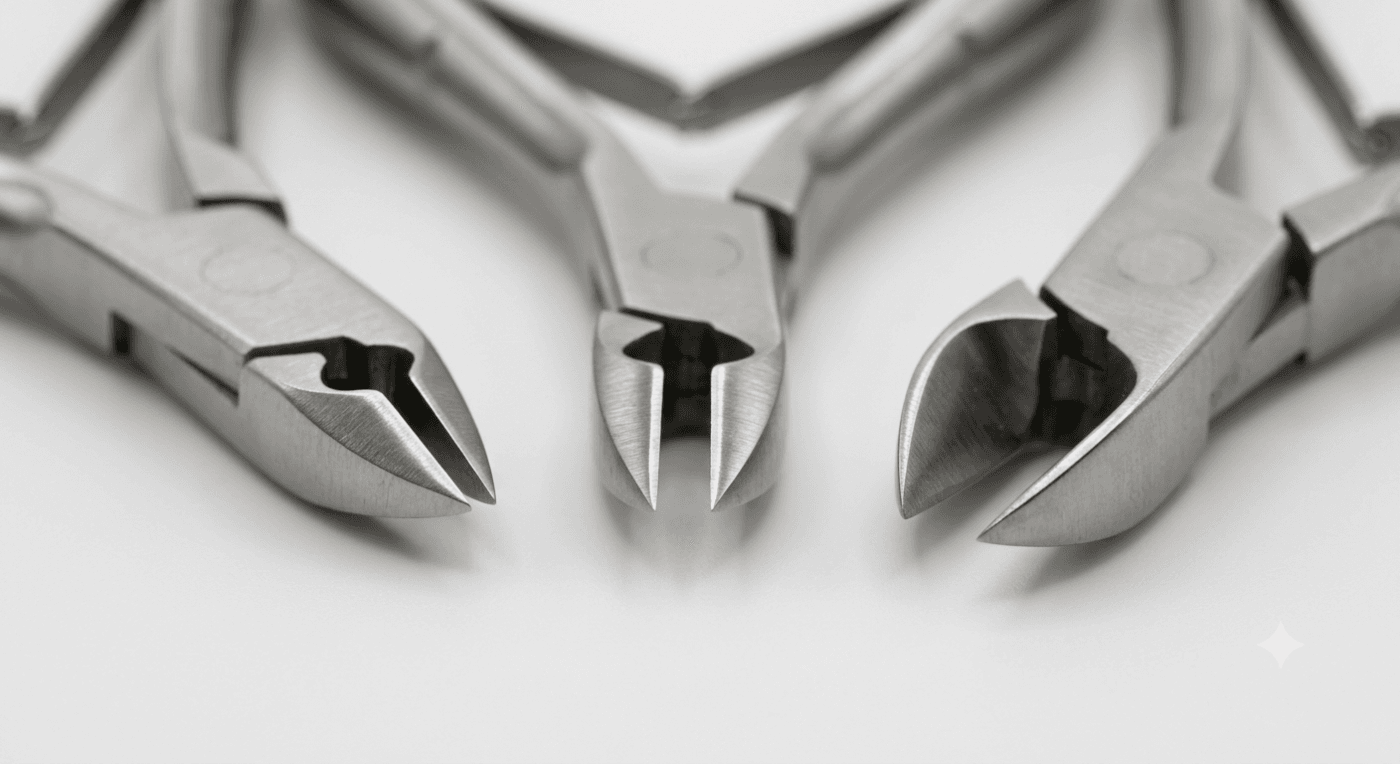
- Nail clippers and cutters
- Cuticle pushers and nippers
- Surgical grade stainless steel construction throughout
Conclusion
Understanding why you shouldn’t share nail tools helps protect your nails and skin from avoidable infection. Keeping tools personal, properly sanitised, and well maintained is a simple habit that supports a safe, healthy nail care routine every day.
Explore our full range of nail scissors, or get in touch with our team for bulk or trade orders.