
Metallic Blogs
How High-Quality Dental Instruments Improve Treatment Outcomes
How High-Quality Dental Instruments Improve Treatment Outcomes
Introduction
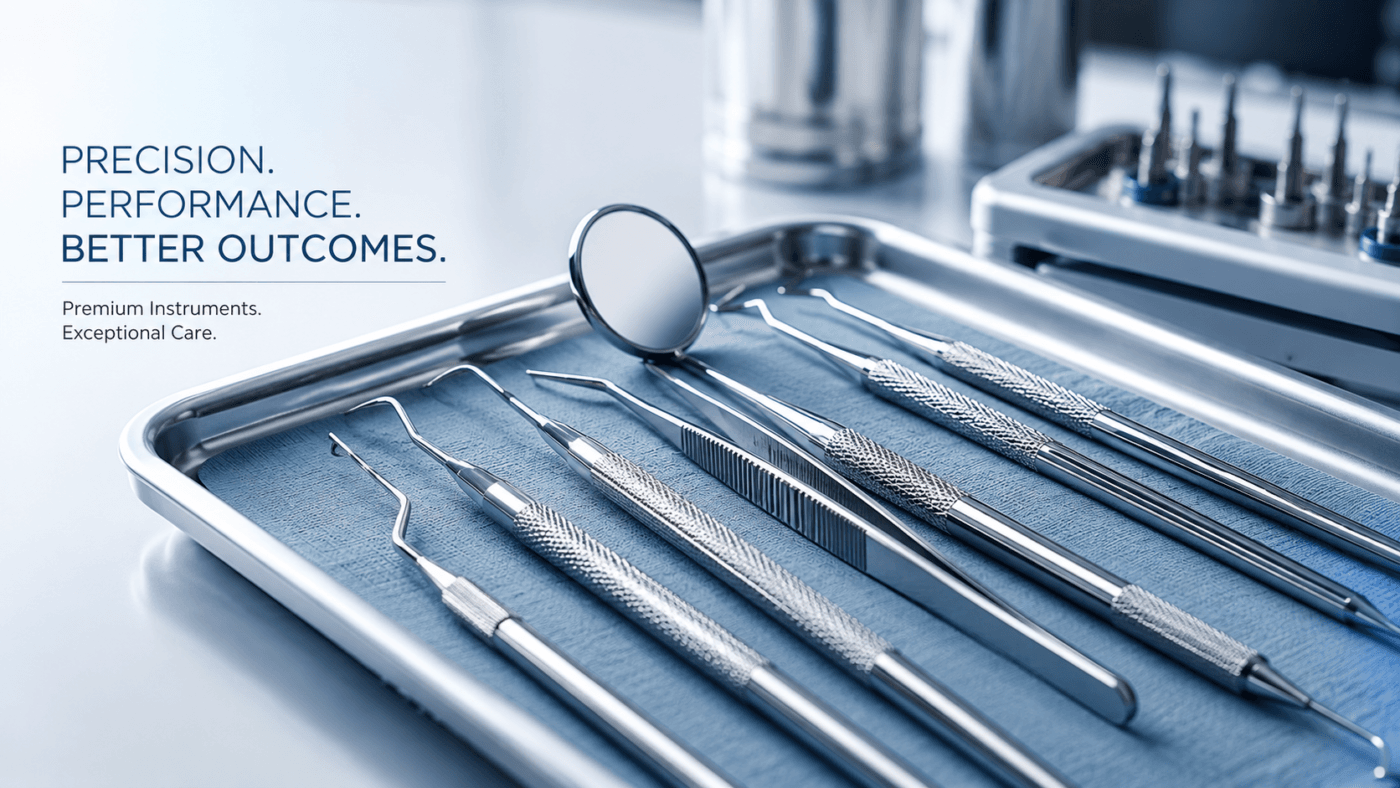
Understanding how high-quality dental instruments improve treatment outcomes is important for every dental practice focused on delivering efficient, precise, and patient-centred care. While clinical expertise remains essential, the quality of the instruments used during treatment can significantly influence accuracy, comfort, workflow, and long-term results.
In 2026, UK dental clinics are increasingly investing in premium dental instruments because they support better clinical performance and help maintain high standards of patient care. As a result, instrument quality is becoming a key consideration in procurement decisions.
Why Instrument Quality Matters in Dentistry
Dental procedures often require exceptional precision. Consequently, clinicians rely on instruments that perform consistently throughout every stage of treatment.
High-quality instruments typically provide:
- Greater accuracy
- Better control
- Improved durability
- Enhanced patient comfort
- More reliable clinical performance
Therefore, instrument quality directly contributes to treatment success.
1. Improved Precision During Procedures
Precision is critical in nearly every area of dentistry.
Whether performing scaling, restorative work, extractions, or periodontal procedures, clinicians need instruments that respond accurately to hand movements.
High-quality instruments often feature:
- Superior tip alignment
- Sharper working edges
- Better balance
- Consistent manufacturing standards
As a result, treatments can be completed more accurately and efficiently.
2. Better Patient Comfort
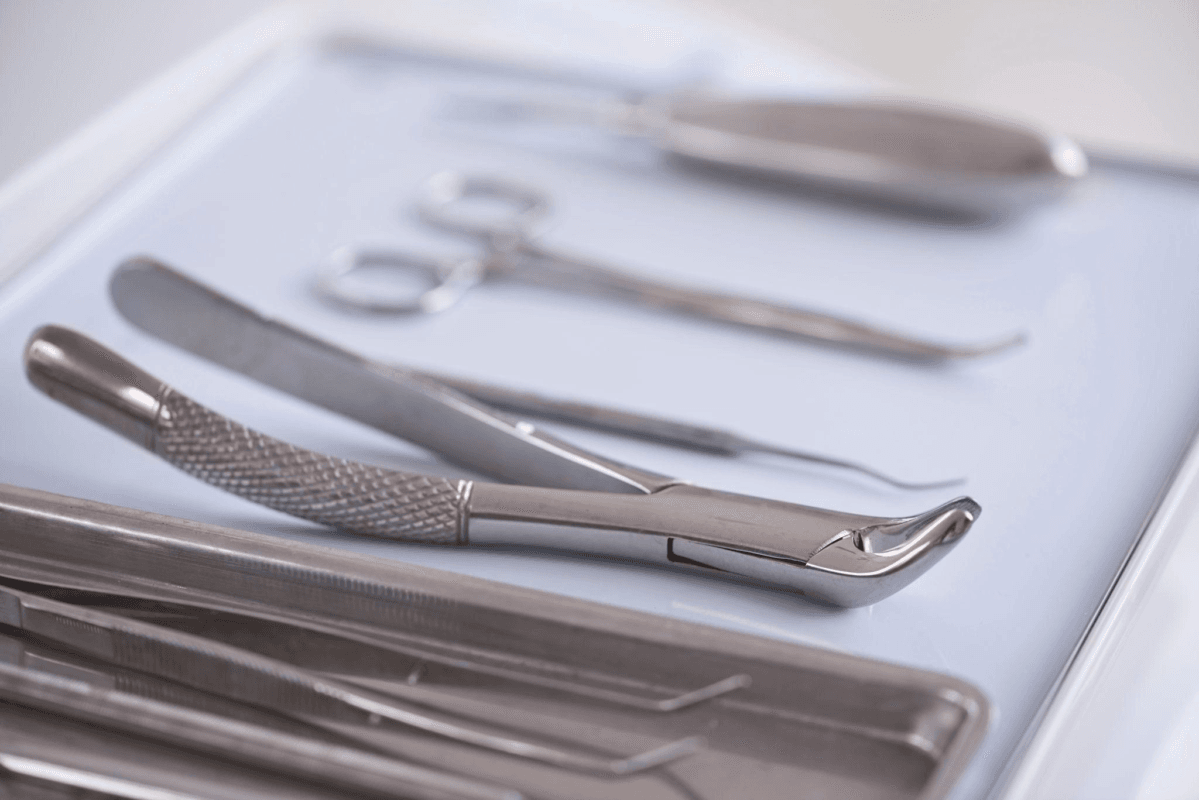
Patient comfort remains a major priority in modern dental care.
When instruments function correctly, clinicians can often perform procedures with:
- Less force
- Greater control
- Smoother movements
- Reduced treatment time
Consequently, patients may experience a more comfortable treatment experience and improved satisfaction.
3. Reduced Chair Time
Efficient procedures benefit both patients and dental practices.
High-quality instruments help reduce chair time by:
- Improving procedural accuracy
- Minimising interruptions
- Reducing instrument-related complications
- Supporting smoother workflows
Therefore, clinics can improve appointment efficiency while maintaining high treatment standards.
4. More Consistent Clinical Results
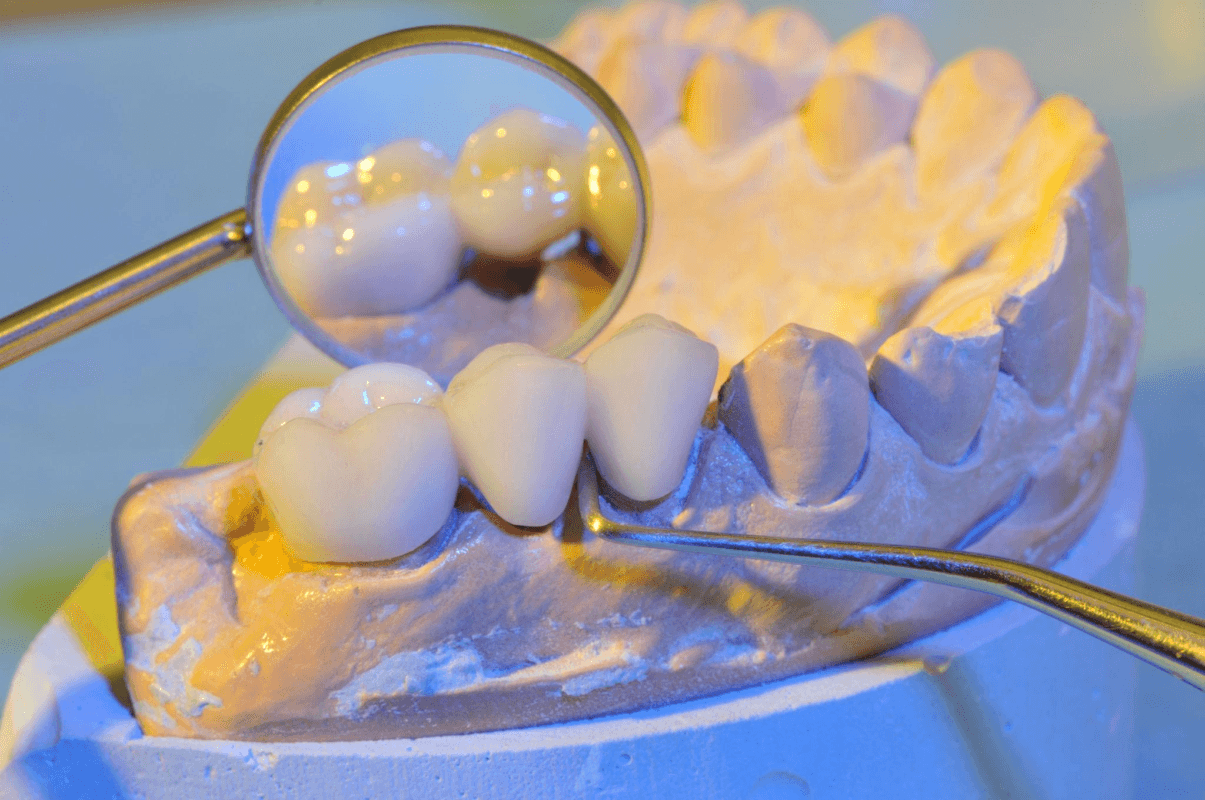
Consistency is essential for maintaining professional standards.
Poorly manufactured instruments may produce inconsistent performance from one procedure to another.
In contrast, premium instruments provide:
- Predictable handling
- Reliable precision
- Stable performance
- Greater clinician confidence
Because of this, practices can achieve more consistent treatment outcomes.
5. Enhanced Performance During Periodontal Procedures
Periodontal treatments require particularly precise instrumentation.
High-quality scalers and curettes help clinicians:
- Remove deposits more effectively
- Improve access to difficult areas
- Maintain better tactile sensitivity
- Deliver more predictable results
As a result, periodontal treatments often become more efficient and effective.
6. Improved Ergonomics for Clinicians
Instrument quality affects not only patients but also dental professionals.
Premium instruments are often designed with:
- Ergonomic handles
- Better weight distribution
- Enhanced grip control
- Reduced hand strain
Therefore, clinicians can maintain precision while reducing fatigue during busy working days.
7. Reliable Performance After Sterilisation
Dental instruments undergo repeated cleaning and sterilisation cycles.
High-quality stainless steel instruments are designed to:
- Resist corrosion
- Maintain sharpness
- Preserve alignment
- Withstand repeated autoclave use
Consequently, they continue to perform reliably over extended periods.
8. Lower Risk of Instrument Failure
Instrument failure during treatment can create unnecessary delays and frustration.
Quality instruments reduce the likelihood of:
- Loose joints
- Misalignment
- Surface deterioration
- Premature wear
As a result, clinicians can focus on patient care without avoidable interruptions.
9. Stronger Long-Term Value for Dental Practices
Although premium instruments may require a larger initial investment, they often provide greater long-term value.
Benefits include:
- Longer lifespan
- Reduced replacement frequency
- Improved clinical efficiency
- Better treatment consistency
Therefore, many practices view quality instruments as an investment rather than an expense.
10. Why Supplier Quality Is Equally Important
Even the best instrument design depends on reliable manufacturing.
When evaluating suppliers, clinics should consider:
- Material quality
- Precision engineering
- Quality control procedures
- Manufacturing consistency
Because of this, supplier selection plays a major role in treatment performance and long-term instrument reliability.
Role of Metallic Products
Metallic Products supports dental professionals with:
- Precision-engineered stainless steel instruments
- Durable clinical-grade manufacturing
- Sterilisation-compatible designs
- Reliable long-term performance
This helps dental practices achieve consistent treatment outcomes while maintaining efficiency and patient satisfaction.
Conclusion
Understanding how high-quality dental instruments improve treatment outcomes helps clinics make smarter procurement decisions and maintain higher standards of patient care. From improved precision and reduced chair time to better patient comfort and clinical consistency, instrument quality affects every aspect of modern dentistry.
By investing in professional-grade instruments from Metallic Products, dental practices can improve efficiency, reliability, and treatment success across a wide range of procedures.