
Uncategorized
Professional Eyebrow Tweezers UK: What Experts Look for Before Buying
Professional Eyebrow Tweezers UK: What Experts Look for Before Buying
Professional eyebrow tweezers UK experts rely on must meet exacting standards for precision, durability, and performance that separate salon-grade tools from consumer products. Understanding what professional eyebrow tweezers UK beauty technicians prioritize before purchasing helps both professionals and discerning consumers invest in tools that deliver consistent results across thousands of applications.
Tip Alignment: The Non-Negotiable Standard
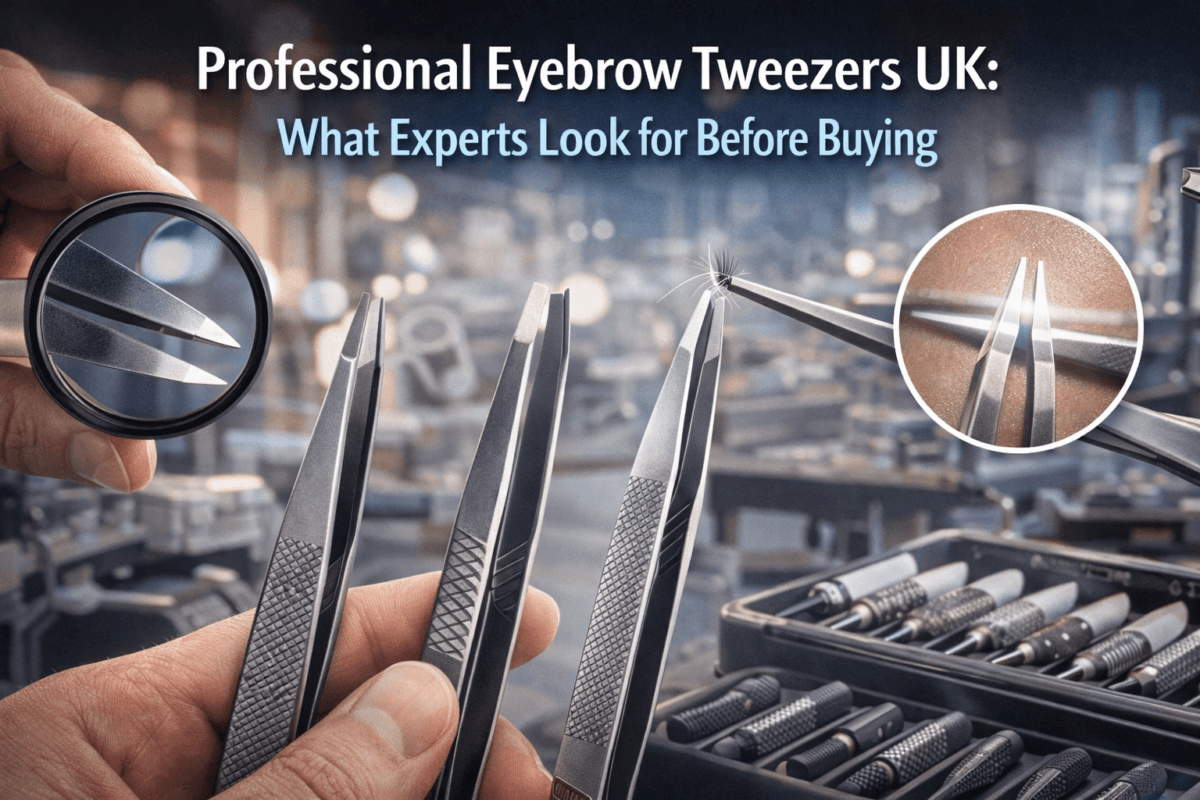
The single most critical factor distinguishing professional tweezers from inferior alternatives is tip alignment precision. Expert brow artists examine this characteristic first, holding tweezers up to light to check for any gap between the tips when closed. Even a 0.1mm misalignment renders tweezers unreliable, causing them to miss hairs or grab multiple hairs simultaneously.
Premium professional eyebrow tweezers achieve alignment tolerances of 0.01mm or better through hand-finishing processes. Manufacturing quality directly impacts this specification, stamped sheet metal tweezers rarely maintain precise alignment, while forged or precision-machined options deliver the consistency professionals require. Before purchasing, experts always test tweezers by attempting to grasp a single hair. If the tweezers slip or require multiple attempts, alignment is insufficient regardless of price or brand claims.
Material Quality and Grade
Stainless steel sounds straightforward until you understand the dramatic quality differences between grades. Professional tweezers use medical-grade or surgical-grade stainless steel, typically 304 or 316 grade that resists corrosion even with daily sterilization and exposure to cosmetic products. Lower-grade steel develops surface pitting, rust spots, or discoloration within months of professional use.
UK beauty professionals working in salons face stringent hygiene requirements. Tweezers must withstand repeated sterilization using barbicide, UV sanitizers, or autoclave processes without degrading. Premium materials maintain their integrity through hundreds of sterilization cycles, while cheaper alternatives show corrosion after just weeks. Metallic Products Limited specializes in supplying professional-grade stainless steel beauty instruments that meet these demanding standards.
Material quality also affects performance characteristics. High-carbon stainless steel maintains spring tension longer, preventing the “looseness” that develops in inferior tweezers after extended use. The metal’s hardness determines whether tips stay sharp and precisely formed or gradually deform from the pressure of thousands of hair extractions.
Tip Shape Selection for Different Techniques
Professional brow artists maintain multiple tweezer types because different techniques demand different tip configurations. Understanding which shapes suit specific applications separates knowledgeable professionals from novices purchasing based solely on appearance.
Slant-tip tweezers represent the most versatile option, suitable for general brow shaping and removal of fine to medium hairs. The angled edge provides good visibility of the working area while offering sufficient grip surface. Professionals prefer slant tips with a moderate angle—approximately 25 degrees—that balances precision with ease of use.
Pointed-tip tweezers excel at removing ingrown hairs, isolating single fine hairs in dense areas, and creating ultra-precise brow shapes. The sharp points allow access to individual hairs that slant tips might struggle to isolate. However, pointed tips require more skill to use safely, particularly near sensitive eye area skin.
Flat-tip tweezers work best for removing coarse hairs or multiple hairs simultaneously during initial shaping. The broad, squared tips provide maximum grip surface but offer less precision than slant or pointed alternatives. Professional kits typically include flat-tip tweezers for specific applications rather than general use.
Rounded-tip tweezers provide a safer option for less experienced users or work near sensitive areas. The blunted tips reduce skin injury risk but sacrifice some gripping power and precision. Few professional brow specialists rely primarily on rounded tips, though they serve useful purposes in training scenarios.
Spring Tension and Hand Fatigue
Eyebrow shaping involves repetitive gripping motions, often hundreds of plucks during a single appointment. Spring tension directly impacts hand fatigue, making this characteristic crucial for professionals working multiple appointments daily. Too much tension causes rapid muscle fatigue and potential repetitive strain injuries. Too little tension provides insufficient control and slows work pace.
Quality professional tweezers use tempered steel springs calibrated for optimal resistance. The tension should feel firm enough to maintain precise control but light enough to avoid excessive grip pressure. Experts test this by performing 20-30 consecutive plucking motions before purchasing. If hand muscles feel strained after this brief test, the tweezers will prove exhausting during actual work.
Poorly manufactured tweezers often lose spring tension over time as the metal fatigues. This degradation happens gradually, making it difficult to notice until performance becomes noticeably poor. Professional-grade tweezers maintain consistent tension through thousands of uses when properly maintained.
Grip Texture and Ergonomics
Professional work demands tools that remain secure in hands potentially affected by moisture, oils, or product residue. Smooth, polished tweezers look elegant but slip during use, requiring excessive grip pressure that accelerates fatigue. The best professional eyebrow tweezers UK experts choose feature textured grips that provide secure control without excessive force.
Grip texturing takes various forms. Some manufacturers apply sandblasting to create matte finishes with subtle texture. Others machine fine patterns into the metal surface. Premium options may include specialized coatings that enhance grip while maintaining sterilization compatibility. The key is finding sufficient texture for security without creating rough edges that irritate hands during extended use.
Ergonomic shaping also influences comfort and control. Tweezers with slight curves or finger rests naturally fit hand contours, distributing pressure more evenly. Width and thickness affect how tweezers feel during prolonged use—too thin causes pressure concentration on fingertips, while too thick prevents delicate control. Professionals with smaller hands often prefer slightly narrower tweezers, while those with larger hands appreciate more substantial builds.
Weight Distribution and Balance
Well-balanced tweezers feel like natural extensions of your hand, requiring minimal conscious effort to control. Poorly balanced options force you to compensate with wrist positioning or grip adjustments that accumulate into significant fatigue over full working days.
The optimal weight depends partly on personal preference, but most professionals favor tweezers weighing between 8-15 grams. Lighter options provide less tactile feedback and can feel insubstantial, while heavier alternatives increase hand fatigue during extended sessions. The weight should distribute evenly from pivot point to tips, preventing either end from feeling disproportionately heavy.
Testing balance involves holding tweezers horizontally by the pivot point. Well-balanced tweezers remain level or tip only slightly. Significant tipping in either direction indicates poor balance that will affect performance during actual use.
Coating Options and Surface Finish
Surface treatment affects both aesthetics and functionality. Several coating options exist in the professional market, each offering distinct advantages and tradeoffs.
Polished stainless steel provides the classic appearance most associate with quality tweezers. The smooth, reflective finish shows quality construction and cleans easily. However, polished finishes offer minimal grip enhancement and can develop visible scratches over time.
Matte finishes created through sandblasting or chemical treatment provide better grip characteristics while maintaining professional appearance. The non-reflective surface also reduces glare under bright salon lighting. Matte finishes tend to hide minor cosmetic wear better than polished alternatives.
Colored coatings serve both aesthetic and functional purposes. Titanium nitride coating produces the distinctive gold color seen on many premium instruments while adding surface hardness and corrosion resistance. Black oxide coatings reduce reflection and provide moderate additional protection. However, any coating will eventually wear with repeated sterilization, particularly at the tips where contact occurs.
Professional-grade coatings must be sterilization-safe, maintaining integrity through repeated exposure to chemicals and heat. Inferior coatings flake or peel after minimal use, creating hygiene concerns and unprofessional appearance.
Length Considerations for Different Applications
Tweezer length affects visibility, control, and application suitability. Standard professional eyebrow tweezers measure 8-10cm (approximately 3-4 inches) long, providing good balance between precision and comfort. This length suits general brow shaping while allowing clear visibility of the working area.
Longer tweezers (11-12cm) offer advantages when working at arm’s length or when enhanced leverage proves helpful. However, increased length sacrifices some precision control and feels awkward for detailed work. Shorter tweezers (6-7cm) provide maximum precision and work well for extremely detailed applications but offer less leverage and may feel cramped during extended use.
Most professional kits include tweezers of varying lengths to accommodate different situations. A standard 9cm slant-tip handles the majority of work, while specialty lengths address specific needs as they arise.
Price vs Quality Assessment
Professional tweezers span a dramatic price range from under £5 to over £50. Understanding what justifies premium pricing helps make informed purchasing decisions that balance budget with performance needs.
Budget tweezers (£3-8) typically use lower-grade steel, machine-only finishing, and minimal quality control. They may perform acceptably for occasional personal use but fail quickly under professional demands. Misalignment, rust, and loss of spring tension commonly appear within months.
Mid-range professional tweezers (£12-25) offer significantly better materials, hand-finishing, and quality standards. These represent the minimum investment serious professionals should consider, providing reliable performance through thousands of uses with proper care.
Premium professional tweezers (£30-50+) justify their cost through superior materials, meticulous hand-finishing, perfect alignment, and extended longevity. These tools often include lifetime warranties or guarantees, effectively reducing long-term cost despite higher initial investment.
The calculation extends beyond purchase price. A £15 tweezer lasting two years costs £7.50 annually. A £35 tweezer lasting ten years costs £3.50 annually while delivering superior performance throughout its lifespan. Professional implements should be viewed as long-term investments rather than disposable supplies.
Testing Before Purchase
Whenever possible, professionals test tweezers before committing to purchase. Several simple tests reveal quality differences that specifications alone cannot convey.
The hair test involves attempting to grasp a single fine hair. Quality tweezers isolate and remove it on the first attempt. Inferior tweezers slip, require multiple tries, or grab adjacent hairs unintentionally.
The light test reveals alignment by holding closed tweezers against a light source. Any visible light between the tips indicates misalignment exceeding professional standards.
The spring test checks tension consistency by performing 20-30 rapid open-close cycles. The resistance should feel smooth and consistent without binding, sticking, or variation.
The comfort test simulates work conditions by holding tweezers in working position for 2-3 minutes. Discomfort, pressure points, or awkward wrist positioning during this brief period will magnify significantly during actual appointments.
Maintenance Requirements
Even premium professional tweezers require proper care to maintain peak performance. Understanding maintenance needs before purchase helps set realistic expectations and preserves tool investment.
Daily cleaning with antibacterial soap removes oils, cosmetics, and debris. Weekly deep cleaning with ultrasonic cleaners or specialized instrument solutions maintains optimal hygiene. Proper sterilization between clients remains non-negotiable for professional use, methods must be appropriate for the tweezers’ materials and coatings.
Periodic inspection identifies developing issues before they affect performance. Checking alignment, spring tension, and tip condition every few weeks catches problems early when they’re still correctable. Professional sharpening or realignment services can restore tweezers that have degraded slightly, extending their useful life significantly.
Storage matters more than many professionals realize. Protective caps or individual slots in storage cases prevent tip damage and maintain alignment. Loose storage where tweezers contact other metal implements gradually damages tips and degrades precision.
Making informed decisions about professional eyebrow tweezers requires understanding the characteristics that influence performance, durability, and user experience. By prioritizing tip alignment, material quality, appropriate tip shape, and ergonomic design, professionals invest in tools that enhance their capabilities rather than limit them. The difference between adequate and exceptional brow work often comes down to the quality of instruments in hand.
About Metallic Products Limited: We supply premium beauty instruments, dental tools, and surgical equipment to professionals throughout the UK. Our professional eyebrow tweezers meet the exacting standards UK beauty experts demand, featuring precision alignment, medical-grade materials, and durability that justifies investment in quality tools.